Anticipated in Aug 2026Related publication: -
Work Package 3
Designing Content Moderation and Affective Feedback Mechanisms
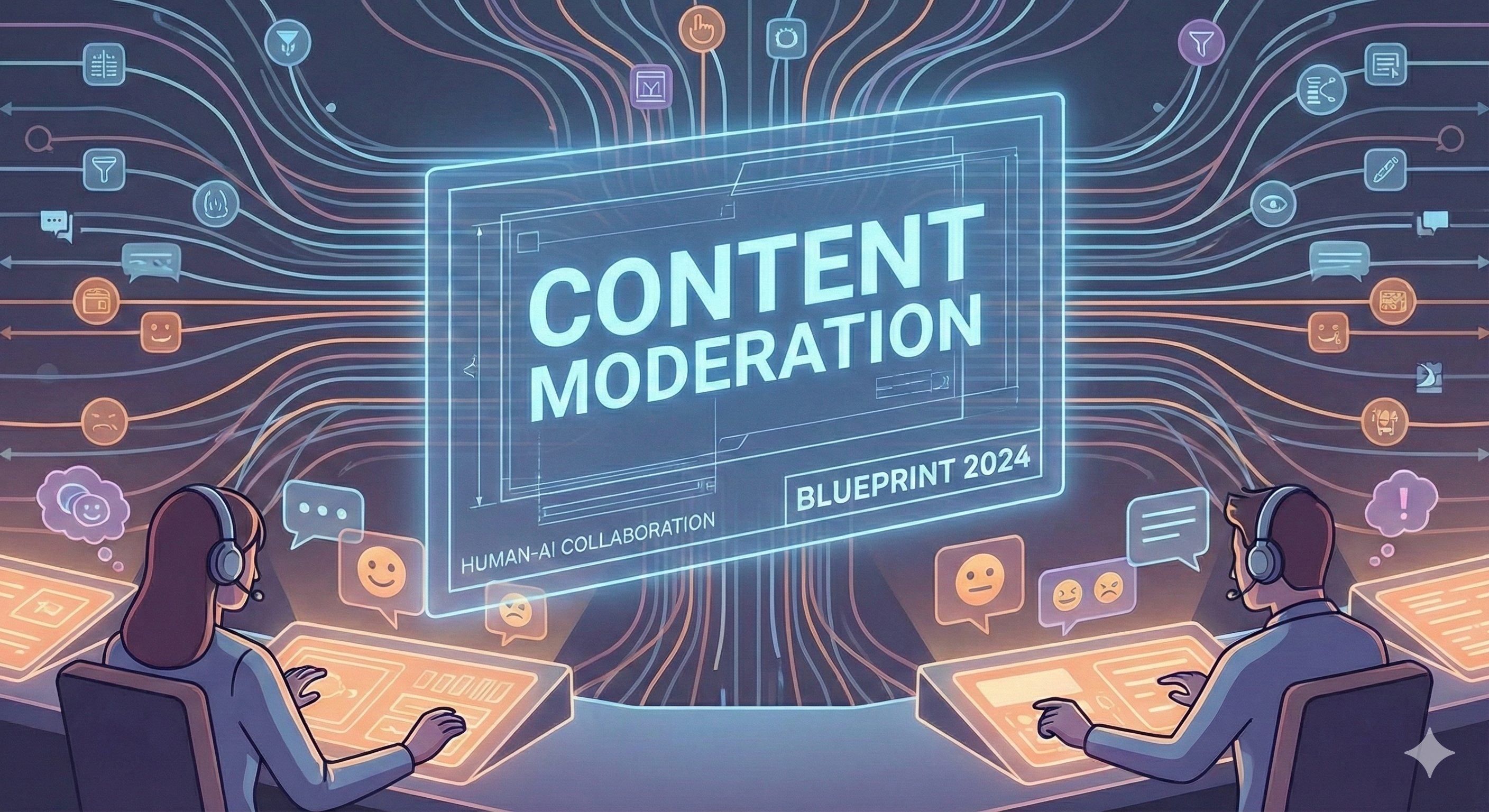
WP3 develops innovative computational strategies to mediate emotional polarization on online platforms and experimentally tests their effectiveness. Rather than focusing on the conventional suppression or removal of emotionally charged or extreme expressions, WP3 proposes a novel approach that integrates real-time affect analytic–based content moderation strategies with user-centered affective feedback systems. The goal is to support autonomous emotional regulation, enabling users to reconstruct and take responsibility for their own expressions.
Through such approach, WP3 further seeks to provide both theoretical and practical foundations for fostering political and social interactions on online platforms that are emotionally sustainable, inclusive, and capable of evolving into a more constructive public sphere.
- RQ1: How do real-time emotion analysis and intervention algorithms change the ways in which users express emotion?
- RQ2: Can an affective feedback interface prompt users to voluntarily self-regulate their modes of self-expression?
- RQ3: Can affect-regulation interventions be designed to sustain political diversity and the differentiation of viewpoints without suppressing them?
- RQ4: How does the effectiveness of affective feedback strategies vary across user groups (e.g., political orientation, age, and platform-use habits)?
To build a real-time emotion analystic model, we will train an LLM-based sentiment classifier—fine-tuned from models such as GPT or LLaMA—to provide immediate feedback on users’ responses. The fine-tuned classifier will be designed to support multidimensional emotion classification beyond a simple positive/negative polarity, capturing affective states such as moral outrage, disgust, contempt, and empathetic concern.
WP3 will implement an affective feedback dashboard and a real-time “emotional thermometer” within the user interface, enabling users to visually monitor the emotional intensity and deviation of their drafted utterances and, when needed, select moderated alternatives. The interface will also provide reframing examples to facilitate softer, more constructive formulations.
We will evaluate the system through experiments with diverse user groups (e.g., political orientation, age, gender, and digital experience), comparing a no-intervention control, feedback-only, reframing-only, and combined feedback+reframing conditions. We will assess emotional moderation, the preservation of political diversity, perceived suppression of expression, trust, and continued-use intentions to determine whether the intervention can move beyond reducing hostility to supporting more inclusive, constructive discourse.